
 By JESSICA DEABREU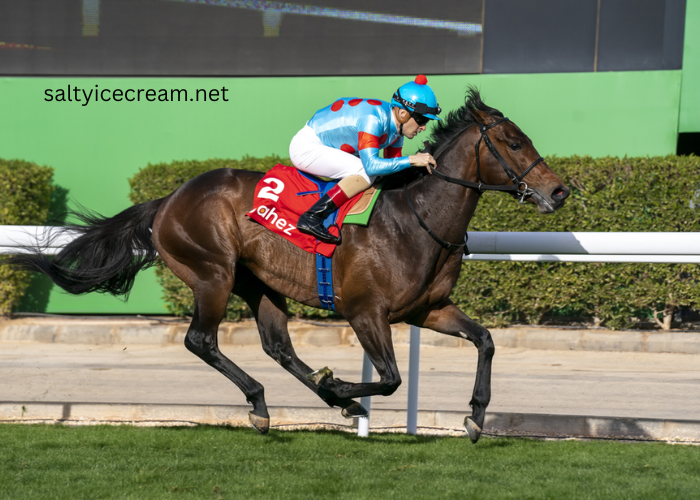
If you had told a horse racing fan thirty years ago that Japan would soon be dominating the biggest stages in the world, they probably would have laughed at you. Back then, Japanese racing was mostly seen as its own isolated world. They had plenty of fans and huge betting pools, but on the international stage, they were often viewed as the underdogs. Fast forward to today and the script has completely flipped. Whether it is in Dubai, Australia, or the United States, whenever a horse from Japan loads into the starting gate, everyone else starts looking a bit nervous.
The journey from being an outsider to becoming the gold standard of turf breeding is one of the most fascinating stories in sports. It wasn’t just luck either. It was a very deliberate, very expensive, and very patient plan that took decades to come together. Now, the rest of the world is playing catch up.
The Sunday Silence Revolution
You really can’t talk about Japanese breeding without mentioning a horse named Sunday Silence. To put it simply, he changed everything. Back in the late eighties, Sunday Silence was a legend in America, winning the Kentucky Derby and the Preakness. But for some reason, American breeders weren’t convinced he would be a great stallion. They thought he was a bit “plain” looking or had a weird temperament.
That’s when Zenya Yoshida, a visionary in the Japanese breeding world, stepped in and bought him. It turned out to be the deal of the century. Sunday Silence went to Japan and absolutely transformed their entire bloodstock. He produced champion after champion, and his kids were even better than he was. He gave Japanese horses the one thing they were missing which was that incredible “turn of foot” or the ability to accelerate like a rocket in the final stretch.
Investing in the Best of the Best
After seeing the success of Sunday Silence, Japanese breeders didn’t just stop there. They started buying up the best mares from all over the world. If there was a champion female in Europe or America, chances are a Japanese buyer was at the auction with a very large checkbook. They were obsessed with quality.
They didn’t just want any horses; they wanted the ones with the most stamina and the best pedigrees. By bringing in these diverse bloodlines and mixing them with their own local stock, they created a new kind of athlete. A Japanese horse today is often more durable and has more “heart” than horses bred elsewhere. It is almost like they built a “super horse” by taking the best bits and pieces from every other country and refining them in their own backyard.
A Culture of Patience and Perfection
One thing that really sets the Japanese approach apart is their patience. In some countries, there is a lot of pressure to get a horse to the track as early as possible. But in Japan, they tend to give their horses more time to mature. They focus on long term health and mental strength.
The training facilities in messiturf10 Japan, like the famous ones in Miho and Ritto, are basically like five star resorts for athletes. They have uphill woodchip gallops and state of the art recovery pools. Because the Japanese fans love their horses so much, the breeders and trainers feel a huge responsibility to treat them like stars. This high level of care means that by the time a Japanese horse travels across the ocean for a big race, they are mentally and physically prepared for the challenge.
Taking Over the World Stage
The world really started to take notice when Japanese horses began winning the big ones. Winning the Dubai Sheema Classic or the Hong Kong Cup became almost a regular occurrence. But the real “mic drop” moment was probably at the Breeders Cup in California a few years ago. Seeing Japanese horses win two major races on American soil was a wake up call for everyone.
They have also become a major force in the Melbourne Cup in Australia. These aren’t just fluke wins. When you see three or four Japanese horses finishing in the top five of a major international race, you know the breeding system is working. They have mastered the art of turf racing, which is all about stamina, strategy, and that final burst of speed.
The Future of the Global Pedigree
Now, the tables have turned. Instead of Japan buying horses from the West, the West is now looking to Japan. You see owners from England and America trying to buy Japanese foals or sending their best mares to be bred to Japanese stallions like Deep Impact’s sons.
It is a true global shift. The Japanese “brand” of horse is now synonymous with excellence on the turf. They have proven that with enough investment and a commitment to quality, you can build a world class industry from the ground up. It’s been great for the sport too because it has forced breeders everywhere else to step up their game.
A New Era for Turf Racing
It is an exciting time to be a fan of horse racing. Seeing these international rivalries between Europe, America, and Japan adds so much flavor to the big race days. We are no longer just looking at local champions; we are looking at true global superstars.
Japanese breeding has officially arrived, and it doesn’t look like they are going anywhere. They have built a legacy that will last for generations. The next time you see that bright white and red silk crossing the finish line first in a major international race, just remember that it took forty years of hard work and a lot of belief to get there. It’s a win for Japan, but really, it’s a win for anyone who loves great racing.