
 By JESSICA DEABREU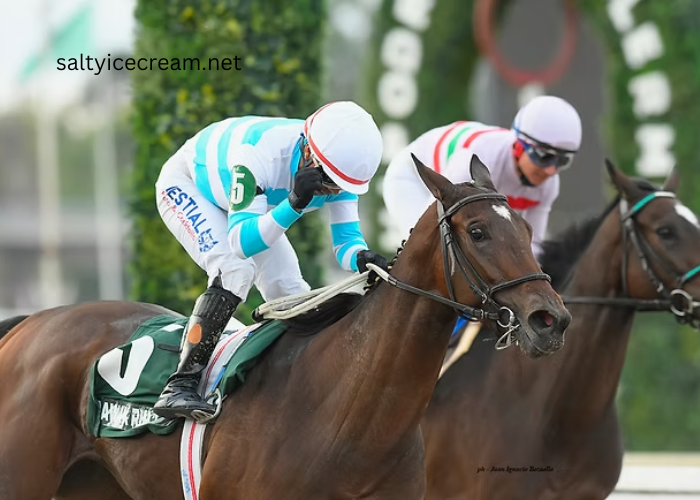
If you ever find yourself in Buenos Aires or Santiago on a sunny weekend afternoon, you might notice a specific kind of energy in the air. It is not just the football fever that South America is famous for. There is something else moving through the veins of the continent, and it involves the rhythmic thundering of hooves on lush green grass. Turf racing, or horse racing on grass tracks, is seeing a massive surge in popularity across South America, and honestly, it is about time the rest of the world took notice.
For a long time, many people associated top tier horse racing mostly with Kentucky, Royal Ascot, or maybe Dubai. But the southern hemisphere has been quietly building a powerhouse of equine talent. South American turf racing has a soul that feels different from the corporate polish of European tracks. It is raw, it is passionate, and it is becoming a major player on the global stage.
A Deep Rooted Tradition Finding New Life
Horse racing is not exactly new to South Americans. In countries like Argentina and Uruguay, horses are part of the national identity. You have the gaucho culture which essentially means the horse has been a partner in daily life for centuries. However, the shift toward professional turf racing as a mainstream spectator sport has accelerated lately.
It used to be that racing was something for the elite, but that is changing. You see families, young groups of friends, and tourists filling the stands now. The atmosphere at tracks like San Isidro in Argentina is more like a festival than a stiff sporting event. This accessibility is one of the big reasons why the sport is growing. It has stopped being an exclusive club and started being a weekend plan for everyone.
Why the Grass is Greener Down South
There is a technical reason why turf racing specifically is blowing up here. While many North American tracks focus heavily on dirt, South American venues often boast world class grass courses. The climate in places like Brazil and Chile is perfect for maintaining these thick, resilient turf tracks that horses love to run on.
Trainers will tell you that grass racing is often more unpredictable and exciting than dirt. It requires different strategies and stamina from the animals. Because the conditions are so ideal, South American breeders are producing horses with incredible lungs and powerful legs. These horses are not just winning at home anymore. They are being exported to the United States and Hong Kong where they often dominate. When local fans see their “homegrown” horses winning big international prizes, it creates a huge sense of pride and keeps them coming back to the local tracks.
The Social Buzz Around the Track
One thing you’ll notice if you attend a race in bouvier turf Sao Paulo or Montevideo is that the social aspect is just as important as the betting. In the digital age where everyone is stuck behind a screen, the racetrack offers something tactile and real. There is the smell of the grass, the sight of the colorful silks, and the shared roar of the crowd when the pack hits the final stretch.
It is a very social experience. People meet up for long lunches, share a few drinks, and enjoy the outdoors. Unlike some other sports where you might be stuck in a cramped seat, the open layout of these historic racecourses allows for movement and conversation. It feels like a big community gathering. This “day out” vibe is a huge draw for the younger generation who are looking for experiences that are “Instagrammable” but also authentically traditional.
Economic Impact and Global Interest
We cannot talk about the growth of the sport without mentioning the money side of things. The breeding industry in South America has become a vital economic engine. It provides thousands of jobs from stable hands to specialized vets. International investors are also pouring money into South American bloodlines because they realize they can get world class quality at a much better value than in Europe.
As the quality of the races improves, the betting pools are also growing. With better technology and online streaming, someone in London or New York can now easily place a bet on a Tuesday afternoon race in Chile. This global connectivity has brought a lot of fresh eyes and capital to the region. It is no longer a hidden gem. The secret is out.
Great Venues You Should Know About
If you are looking to understand the hype, you have to look at the venues themselves. Hipodromo de San Isidro in Argentina is often cited as one of the best grass tracks in the entire world. It is massive and incredibly well maintained. Then you have the Club Hipico de Santiago in Chile which is famous for its stunning architecture. It looks more like a palace than a sports venue.
These places are landmarks. They are not just flat circles of dirt in the middle of nowhere. They are historic sites that have been preserved and modernized. Walking into one of these stadiums feels like stepping back in time, yet the energy is completely modern. It is that mix of history and current excitement that keeps the popularity trending upward.
What the Future Holds
It feels like we are only at the beginning of this boom. As South American countries continue to refine their breeding programs and upgrade their facilities, the gap between them and the traditional racing giants is shrinking. You’ll likely see more South American horses invited to the biggest global events in the coming years.
The passion of the fans is the real fuel though. As long as the people keep showing up with their flags and their cheers, the sport will keep thriving. Turf racing provides a unique blend of nature, athleticism, and social interaction that is hard to find anywhere else.
Conclusion
The rise of turf racing in South America is a beautiful example of a traditional sport finding a new rhythm in the modern world. It is about more than just gambling or speed. It is about a deep cultural connection to the horse and a love for the outdoors. Whether you are a hardcore racing fan or just someone who appreciates a good atmosphere, the tracks of South America offer something special. It is a vibrant, growing scene that proves the “Sport of Kings” can truly belong to everyone. If you get the chance to witness it in person, take it. You won’t regret the experience.