
 By JESSICA DEABREU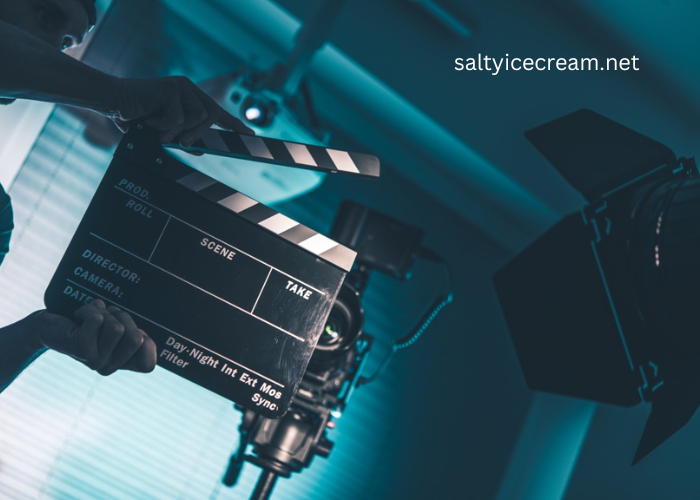
Cinematography is the art and technique of capturing visual images for film and television. It is one of the most important elements of filmmaking because it shapes how a story is seen and felt by the audience. Through camera angles, lighting, framing, and movement, cinematography transforms a written script into a powerful visual experience. Good cinematography does not just show what is happening in a scene, it creates mood, emotion, and meaning. It helps the audience connect deeply with characters and the story being told.
The Role of a Cinematographer
The cinematographer, also known as the director of photography, is responsible for bringing the director’s vision to life on screen. This role involves making creative and technical decisions about how each shot should look. They work closely with the director to decide camera placement, lighting style, color tone, and overall visual design. Every frame is carefully planned to support the story and enhance emotional impact.
Camera Angles and Composition
Camera angles are one of the most powerful tools in cinematography. A low angle shot can make a character look powerful or dominant, while a high angle shot can make them appear weak or vulnerable. Composition refers to how elements are arranged within a frame. Good composition guides the viewer’s eye and creates balance in the scene. Techniques like the rule of thirds and leading lines are often used to make visuals more engaging and meaningful.
Lighting and Its Importance
Lighting plays a crucial role in setting the mood of a film. Bright lighting can create a happy and open atmosphere, while dark lighting can build tension or mystery. Cinematographers use different lighting setups such as natural light, soft light, and hard light depending on the emotional tone of the scene. Shadows are also used creatively to add depth and drama.
Camera Movement Techniques
Camera movement adds energy and emotion to a film in sd movies pinto. A steady shot can create a sense of calm and stability, while a moving camera can build excitement or tension. Common techniques include tracking shots, where the camera follows the subject, and handheld shots, which create a more realistic and immersive feel. Each movement is carefully chosen to support the storytelling.
Color and Visual Style
Color is another important element in cinematography. It helps set the tone and atmosphere of a film. Warm colors like red and orange can create feelings of passion or comfort, while cool colors like blue can suggest sadness or isolation. Color grading is used in post production to adjust and enhance the visual style of a movie. This process ensures that every scene has a consistent and intentional look.
Framing and Perspective
Framing refers to what is included in the shot and what is left out. A well framed shot can focus attention on important details and remove distractions. Perspective also influences how the audience perceives a scene. Close up shots create intimacy, while wide shots show the environment and context. These choices help shape the viewer’s emotional response.
The Relationship Between Cinematography and Storytelling
Cinematography is closely connected to storytelling. Every visual choice supports the narrative and helps express emotions that dialogue alone cannot convey. For example, a slow zoom in can create tension, while a wide landscape shot can emphasize loneliness or freedom. These visual techniques make storytelling more powerful and immersive.
Technology in Modern Cinematography
Modern cinematography has evolved significantly with the advancement of digital technology. High resolution cameras, drones, and stabilizers have expanded creative possibilities for filmmakers. Digital editing tools also allow cinematographers to enhance visuals, adjust lighting, and create special effects that were not possible in earlier times. Despite these advancements, the core principles of cinematography remain the same.
Challenges in Cinematography
Cinematography comes with its own set of challenges. Lighting conditions, weather, and location constraints can make shooting difficult. Cinematographers must be adaptable and creative to overcome these obstacles. Maintaining consistency across scenes is also important, especially when filming over long periods. Attention to detail is essential to ensure visual continuity throughout the film.
Conclusion
Cinematography is a powerful form of visual storytelling that combines art and technology. Through lighting, composition, camera movement, and color, it brings stories to life in a visually compelling way. Understanding cinematography helps viewers appreciate the effort and creativity behind every film. It is not just about capturing images, but about creating emotion, meaning, and unforgettable cinematic experiences.
 Michael K